Published on: 15th June 2026
Learning Disability Week (15 - 21 June 2026) is an opportunity to learn and think about how we can create more supportive and inclusive communities.
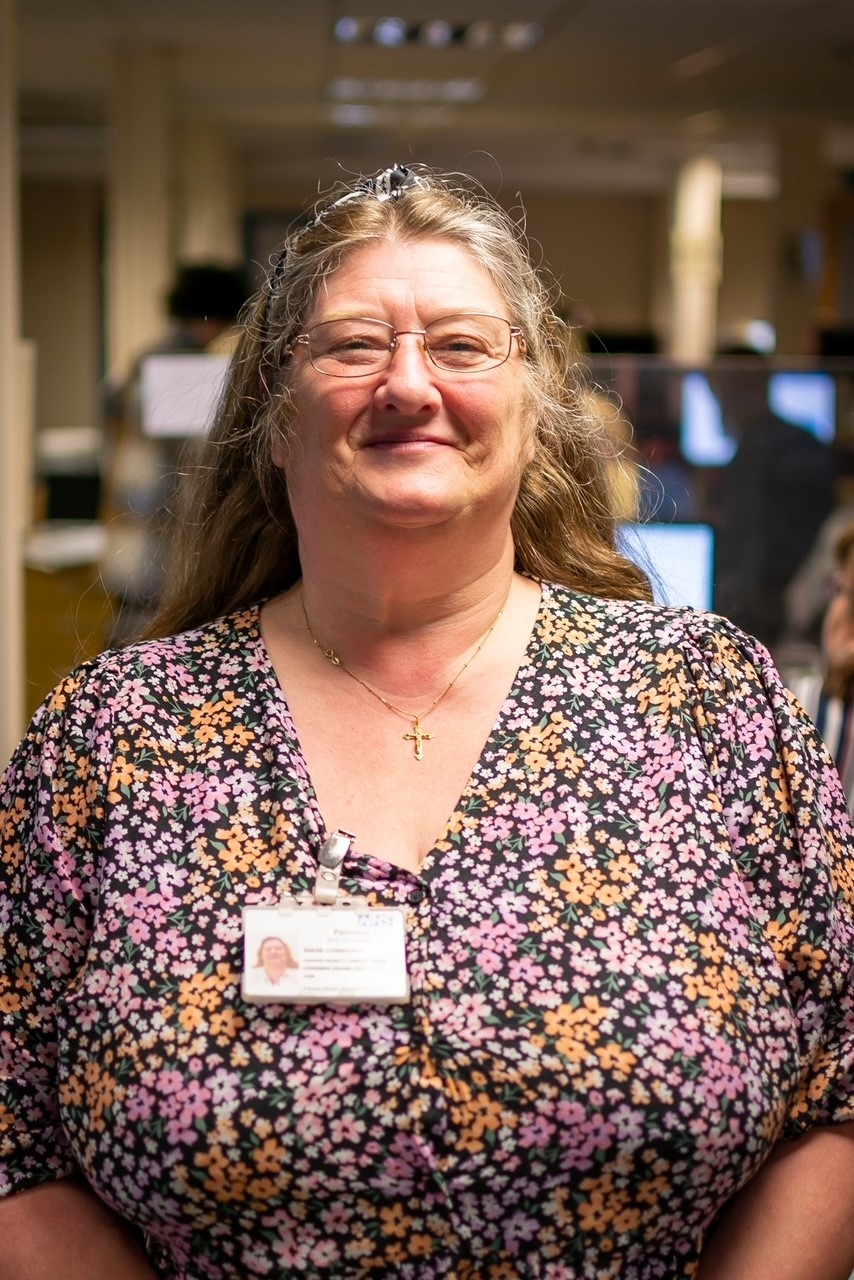 Diane Cummaskey is a learning disability nurse with our team in Heywood, Middleton and Rochdale.
This advice from Diane can help you to communicate better with people who have a learning disability.
Communication is all about giving, sending and sharing information. It isn't just about talking, it's also about listening.
When you're communicating with someone with a learning disability, think about your tone of voice and your body language, as well as the words you use.
- Use accessible language - avoid jargon or long words that might be hard to understand.
- Be prepared to use different communication tools - follow the lead of the person you're communicating with.
- Go at their pace - check you have understood and be creative.
- Remember everybody is unique - ask the person you're communicating with what works best for them.
In person: Many people with a learning disability prefer face to face and one to one communication.
In writing: Use bigger text and bullet points. Keep writing at a minimum. Too much colour can make reading harder for someone as well.
On the phone: Speak slowly and clearly, using easy to understand words.
Tips for good communication
- Find a good place to communicate, somewhere without distraction. If you are talking to a large group, some people may find this difficult.
- Ask open questions; questions that don't have a simple yes or no answer.
- Check with the person that you understand what they are saying. For example, "the TV isn't working, is that right?"
- If the person wants to take you to show you something, go with them.
- Watch the person, they may tell you things by their body language and facial expressions.
- Learn from experience - you will need to be more observant. Don't feel awkward about asking parents or carers for their help.
- Try drawing - even if your drawing isn't great, it might still be helpful.
- Take your time, don't rush communication.
- Use gestures and facial expressions. If you're asking if someone is unhappy, make your facial expression unhappy to reinforce what you're saying.
- Some people find it easier to use real objects to communicate. Photos and pictures can really help too.
Remember, all communication is meaningful, but you may need to work harder to understand.
Many people with a learning disability can use or recognise some signs. Signalong and Makaton are both based on British Sign Language (BSL), used to support the spoken word.
Helpful websites
- Signalong
- Makaton
- British Deaf Association - more information about British Sign Language.
- Talking Mats - a communication system that uses symbols and other images.
- Widgit - produce software symbols to help with communication and accessibility.