
Published on: 16th March 2026
We’re sponsoring new research exploring whether a type of talking therapy can help young people aged 13–17 who struggle with self-harm.
The study, called RELATE-YP, will conduct a trial of cognitive analytic therapy, to see if this is helpful for young people who self-harm.
Self-harm is a common but complex problem that affects a lot of young people, often because of very difficult or distressing feelings or situations.
Cognitive analytic therapy has the potential to help. It focuses on the relationships you have with others and how you feel about yourself. A therapist will explore the reasons why someone self-harms and help to find ways out of unhelpful patterns.
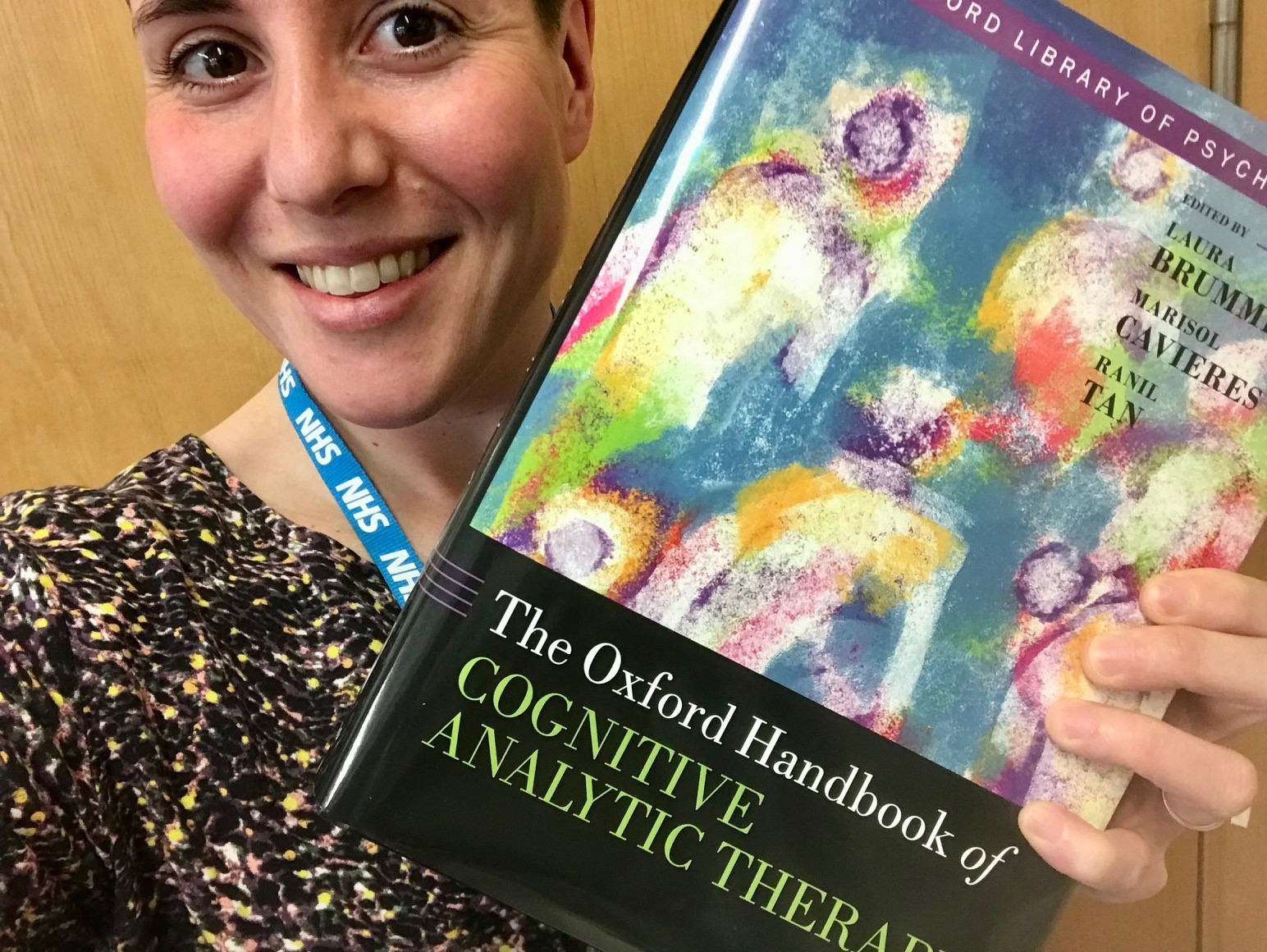 Dr Sam Hartley, principal clinical psychologist and co-investigator on the trial, said:
"We are seeing self-harm rates rising, and because it can often play different roles in someone's life, it can be tough to support safely. We already have therapies, but it’s important to offer a mix of options that feel right for each young person.
"As the lead site, it’s a great chance for us to try something new that could really help young people and their families."
About the RELATE-YP study
The study is co-led by the University of Manchester and funded by the National Institute for Health and Care Research (NIHR). It follows previous research suggesting that cognitive analytical therapy may show promise in helping adults who self-harm.
RELATE-YP is a feasibility trial, meaning it is an early step in testing whether cognitive analytic therapy is a suitable treatment for young people who self-harm.
The study will explore whether young people find it helpful and whether a larger trial would be appropriate.
It’s currently running across Pennine Care, along with Greater Manchester Mental Health NHS Foundation Trust, and Rotherham, Doncaster and South Humber NHS Foundation Trust.
We're recruiting young people to take part through our child and adolescent mental health services (CAMHS).
To find out more, visit the RELATE-YP project website or email the project team on: pcn-tr.relateyp@nhs.net