
Published on: 25th March 2026
Men and women aged 65 and over are being urged to seek support for common mental health issues such as low mood and anxiety.
Despite depression affecting around 22% of men and 28% of women in this age group, an estimated 85% don’t seek support. In the UK, around 940,000 people aged 65+ are often lonely, which can impact on their mental health.
Despite effective treatments being available from local NHS talking therapies services, just 13% of people surveyed by Age UK said they would prioritise their mental health over their physical health. This suggests deeply ingrained attitudes may still prevent many older people from seeking support for emotional difficulties.
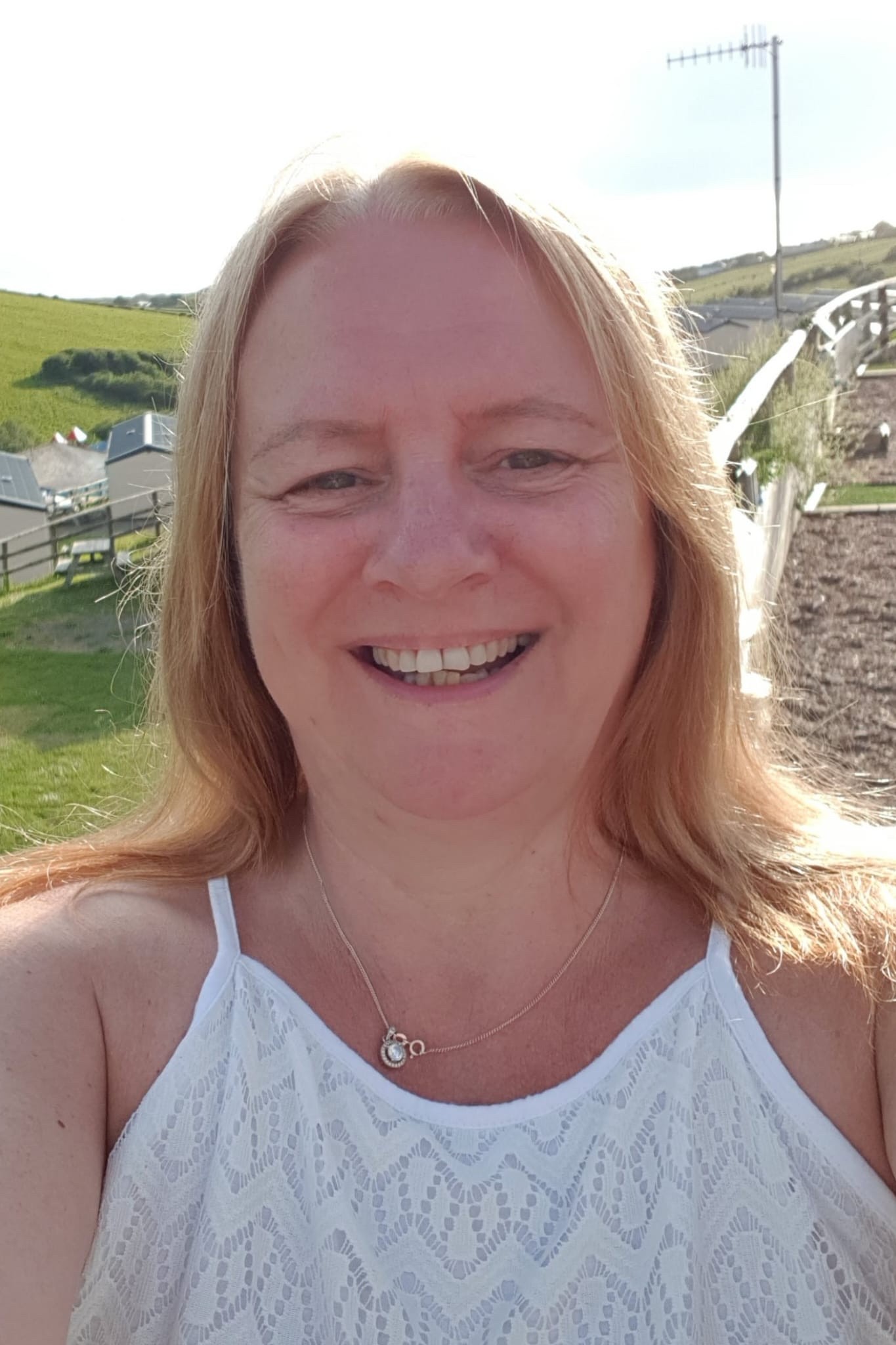 65-year-old grandmother Margaret Howcroft, from Moorside, wants to encourage people to get the help they need, after our NHS Oldham Talking Therapies team helped her rediscover hope after decades of living with anxiety and depression.
Margaret experienced mental health difficulties since her early teens. Her social anxiety made it hard to be around groups of people, and she found any form of confrontation overwhelming. At work, she often felt misunderstood and blamed herself for being different.
Her mental health worsened last year after problems at work escalated, leading to a disciplinary process and eventually the loss of her job.
At her lowest, Margaret had thoughts of harming herself and reached out to the Samaritans for crisis support. She also had private hypnotherapy sessions with Stephen Therapy Stockport – which is where she first heard about a therapy called eye movement and desensitization and reprocessing (EMDR).
She explained: “Stephen recommended I try EMDR as he believed it could really make a difference. I was sceptical but knew something had to change. I was desperate for help.”
Margaret spoke to her GP, who referred her to NHS Oldham Talking Therapies, run by Pennine Care NHS Foundation Trust.
Margaret met with Amy White, high-intensity cognitive behavioural therapist for face-to-face sessions of cognitive behavioural therapy. During an assessment of her needs, it was found that Margaret was displaying symptoms of post-traumatic stress disorder caused by several traumatic events throughout her life.
They began sessions of eye movement desensitization and reprocessing (EMDR).
Her therapist, Amy White, explained: “EMDR is a structured, evidence based therapy mainly used to treat post traumatic stress disorder. Traumatic experiences can get ‘stuck’ in the brain and not fully processed, which means they continue to cause distress long after the event.
“EMDR helps the brain process these memories more safely by using eye movements or tapping while the person focuses on parts of the traumatic memory with support from their therapist. Over time, this reduces the anxiety and low mood linked to the trauma so people can move forward with their lives.”
Over time, Margaret built a strong sense of trust with Amy and felt able to talk more openly about her past traumas. At times, this brought on intense physical reactions, including briefly losing her voice.
She explained: “In one session I became so overwhelmed by reliving the memory that I suddenly couldn’t speak.
“It’s a really frightening thing to go through and very scary for people around me it. Amy was amazing - she stayed calm and supported me through the whole episode.”
“Amy didn’t make me feel stupid about getting upset or anxious. For the first time in my life I felt truly understood and accepted. She kept me relaxed and gave me a safe space to be myself.”
Reflecting on her experience, Margaret added: “Before I started, I felt like I lived behind a wall. In my sixties, I was close to giving up. Amy was so understanding and easy to talk to. She’s given me coping skills and mechanisms for day to day life. Although my issues and triggers haven’t disappeared, they’re now manageable and I’m no longer in that dark place.”
“I really recommend this service to anyone who is struggling and needs support. It took a leap of faith and now I’ll never look back.
“Like all therapies, EMDR therapy takes effort and engagement – you need to really want to get better and be willing to open yourself up for it to be effective. It’s been truly brilliant; I cannot thank them enough.”
Amy added: “Stories like this show the difference evidence based therapies can make. With the right support, people can develop skills to manage anxiety, process trauma safely, and regain confidence in everyday life. I’m delighted that Margaret has been helped in this way and can now look forward to a brighter future.”
NHS Oldham Talking Therapies is for people aged 16 years and above, registered with a GP in Oldham. They offer support and treatment for a range of issues including low mood, stress, worry or anxiety, difficulty sleeping, feelings of low self-worth, panic attacks, phobias and more.
People can quickly and easily self-refer by completing an online form or they can be referred by their GP or another professional.