
Published on: 21st May 2026
An Oldham couple are sharing their experience of early-onset Alzheimer’s to help others recognise the signs and seek support sooner.
 Andy Cragg, now 64, was diagnosed in 2024 after several years of changes first noticed by his wife, Saki.
Following an assessment with the Oldham memory assessment service, run by Pennine Care NHS, Andy was able to access vital support from Dr Kershaw’s Hospice and Age UK Oldham.
Early signs
Saki first became concerned as early as 2015, when Andy began struggling at work following an injury.
“At home, I started to notice Andy asking the same questions repeatedly,” she said.
“He’d ask our children how their day had been several times during tea. Even they noticed - they were only 10 and 12.”
Andy also began misplacing items and forgetting things like his wallet or PIN number.
“He just seemed quieter, not himself. He was more anxious, low in mood, and finding it hard to concentrate.” Saki added.
After visiting their GP in 2020, Andy was initially treated for anxiety and depression, as he was considered too young for dementia at 59. Further assessments in 2023 led to a diagnosis of early-onset Alzheimer’s the following year.
Help is available
Saki described the diagnosis as overwhelming, but support from an admiral nurse helped her navigate financial advice, medication and support options. She also found comfort at the dementia hub at Dr Kershaw’s Hospice.
“I felt so alone, like my life had ended. “Our mortgage was due to end, and we had been planning holidays, it felt like it was all gone.”
“In the beginning I didn’t know where to go for help. I met the admiral nurse who helped lots, with advice on where to go for financial support, advice about my worries or about medication.”
“The dementia hub at Dr Kershaw’s has been brilliant. It’s a place where you feel you belong, a place where people help. When I get to the gates, I feel happiness – it’s a safe, happy place.”
“Age UK Oldham also helped us with financial advice and pin pointing were to go for support”
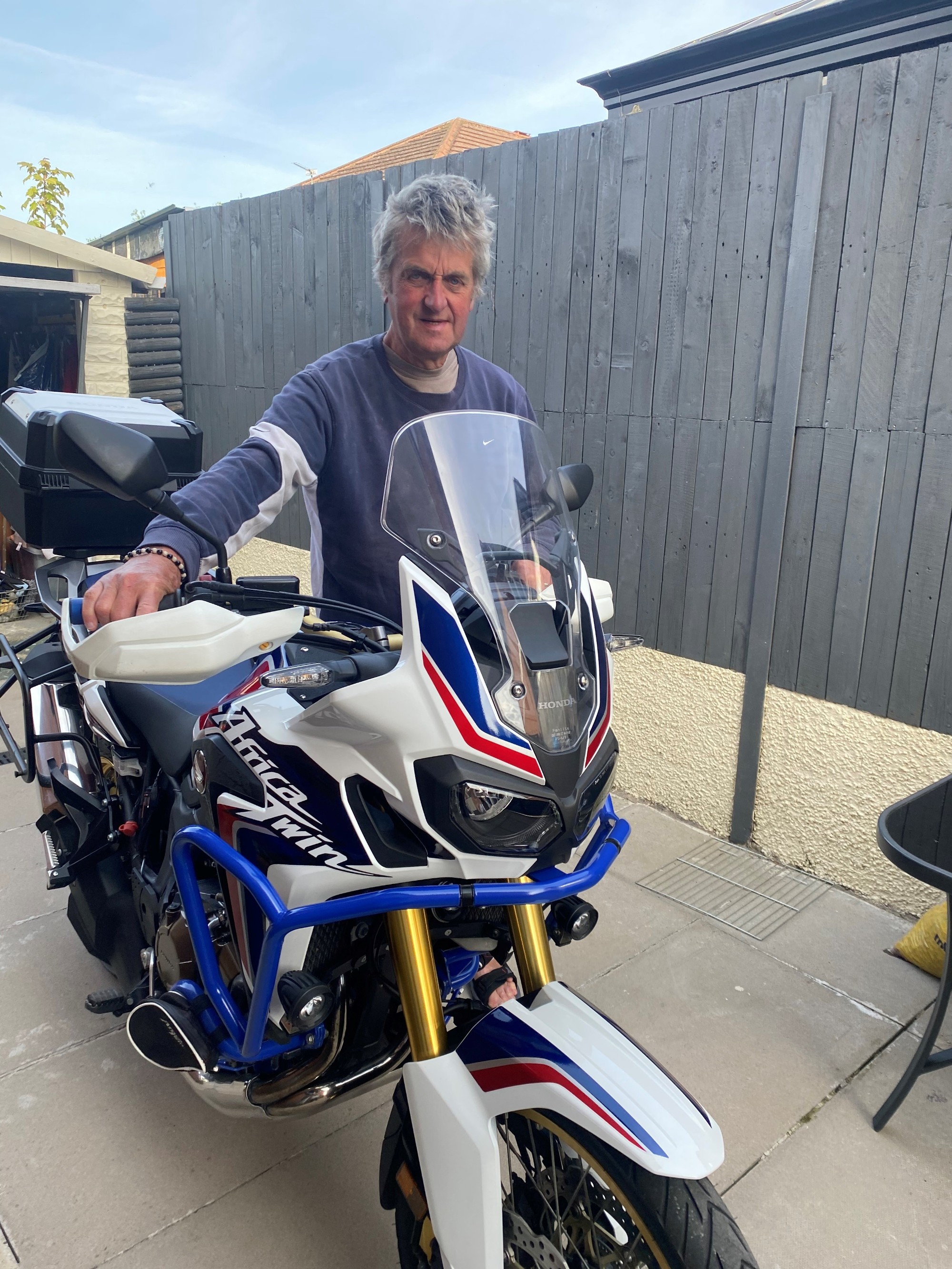 Andy says the biggest help has been his family: “My wife Saki and my two sons have helped me so much every day.”
Their sons, now 16 and 18, support him with day-to-day tasks, while regular walks with his dog Milo provide routine and wellbeing.
Andy also receives support from a personal assistant through Oldham Council, giving him time out each week and Saki some respite.
He also praises the dementia hub: “It’s brilliant, especially chatting with a volunteer who shares my passion for motorbikes.”
Advice for others
Saki is urging others not to ignore concerns, such as memory loss, difficulty concentrating or following what’s being said, problems finding the right words, misplacing things more often, or changes in mood or personality.
“Seek help – you’re not alone. Go to your GP. The person affected might not recognise the problem, so loved ones need to speak up.”
She also encourages people to reach out and stay connected.
“Friends and family sometimes don’t know what to do or say, so they stay away. Don’t stay away - just ask how they are and if you can do anything to help.”
Getting an assessment
Memory assessment services are here to support people and families if they’re worried about changes in memory or thinking.
Reach out to your GP as early as possible, so they can make a referral.
Claire Evans, Oldham memory assessment service manager, said: “Getting help early can make a real difference. There’s a range of practical support and advice available to help you live well with dementia.”